July 29, 2026 5 min read
Pilling is not a defect, and how to tell when something is
A new merino sweater pills in its first weeks. That is fiber leaving, not the sweater failing. A hole or a seam opening is a different matter.
By Theo Ambrose-Lund, Co-founder & Head of Product
About once a day, someone writes to tell us their sweater is defective because small bobbles have appeared on the sleeves after a week. I understand the worry. I also know, after ten years of buying knitwear before we started making it, that nothing is wrong with that sweater.
What a pill is
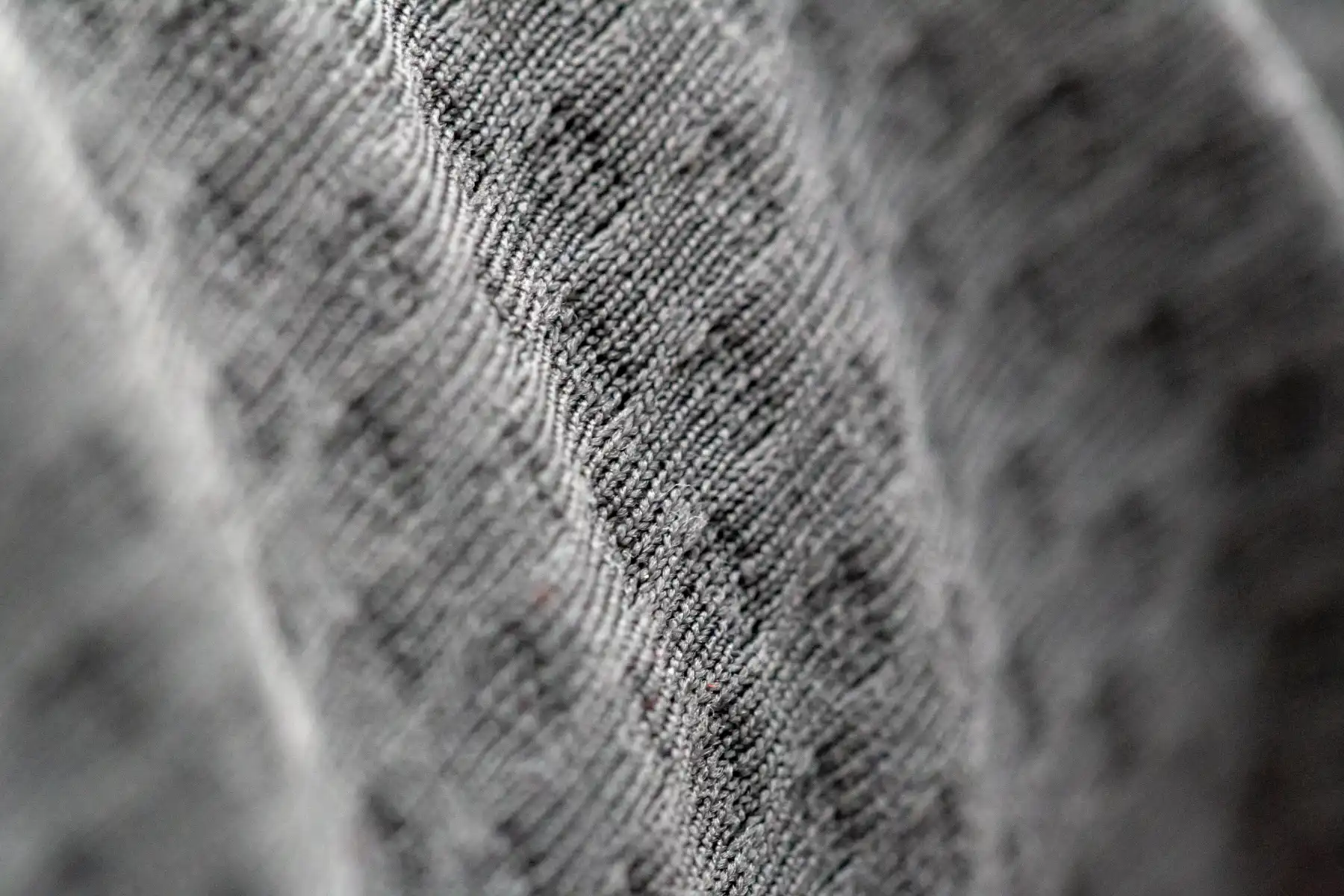
A yarn is many fibers twisted together. Some are long and locked into the twist. Some are short, and sit near the surface. When a new sweater rubs against itself, a bag strap or a desk, those short fibers work their way out and tangle into a small ball. That ball is a pill.
It happens most where there is friction: the forearms, the sides under the arms, the hip where a bag sits. It happens most in the first weeks, because that is when the loose fiber is still there to lose. Then it slows down. A sweater that pilled in October is usually quiet by December.
Why soft things pill more
The fibers that feel softest are the finest, and fine fibers are the ones that move. Merino at 18.5 micron and cashmere are soft because they are fine. A coarse lambswool pills less and prickles more. You are choosing between two honest properties of wool, and there is no fabric that gives you all of one and none of the other.
What we can control is the knit. A tight gauge holds fibers in place better than a loose one, which is one of the reasons we knit tight. It reduces pilling. It does not abolish it.
How to take pills off
Lay the sweater flat
On a table, not on your knee.
Comb in one direction
With a sweater comb and light pressure. Do not scrub back and forth.
Stay away from snags
A pulled thread is not a pill. Ease it back through to the inside instead.
Stop when it is clear
Over-combing thins a knit.
Do not pull pills off with your fingers. You pull out the long fibers with them, and those are the ones holding the yarn together.
What a defect looks like
| Normal wear | A defect |
|---|---|
| Light pilling on merino and cashmere | A hole |
| A little shedding on a brushed scarf | A dropped stitch that runs |
| Slub texture on the Slub Pocket Tee | A seam that opens |
| Crushed corduroy pile | A zip that fails |
| Matted fleece under a bag strap | A snap or a button that pulls out |
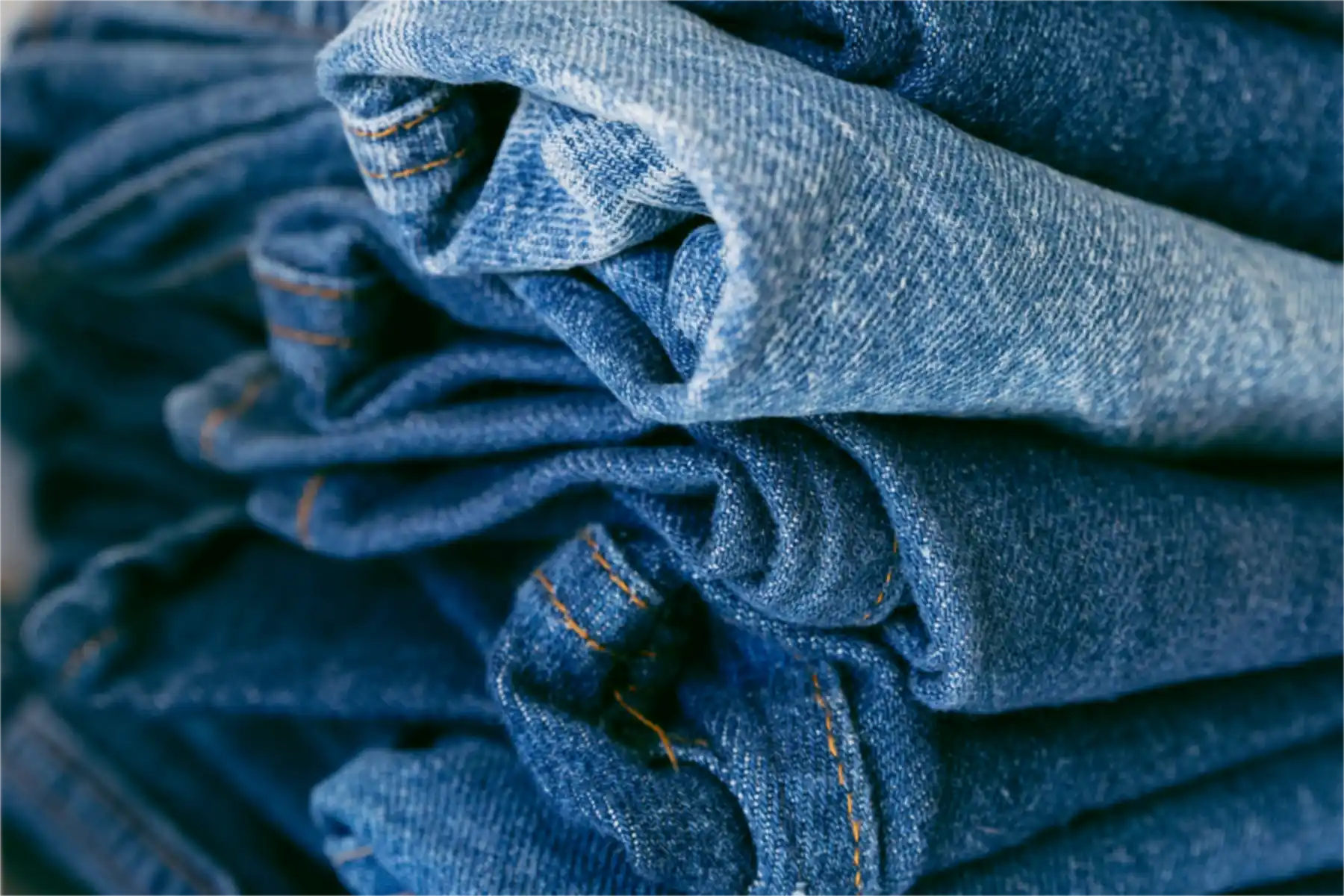
| Raw denim shrinking as described | Dye that bleeds on a first cold wash |
Everything in the right-hand column we fix. Seams, zips, snaps and buttons are repaired free for two years from delivery. A hole or a dropped stitch within ninety days is ours to make right. If you cannot tell which column yours is in, send us a photo and we will tell you.
Soft fibers are fine fibers, and fine fibers move. Pilling is the price of softness, paid mostly in the first month.
How to have less of it
- Rest a sweater for a day between wears. Wool recovers.
- Wash it cold, by hand or on the wool cycle, and dry it flat. Heat and tumbling raise pills.
- Wear a bag on the other shoulder now and then.
- Store it folded with a cedar block, never on a hanger.
-
Care
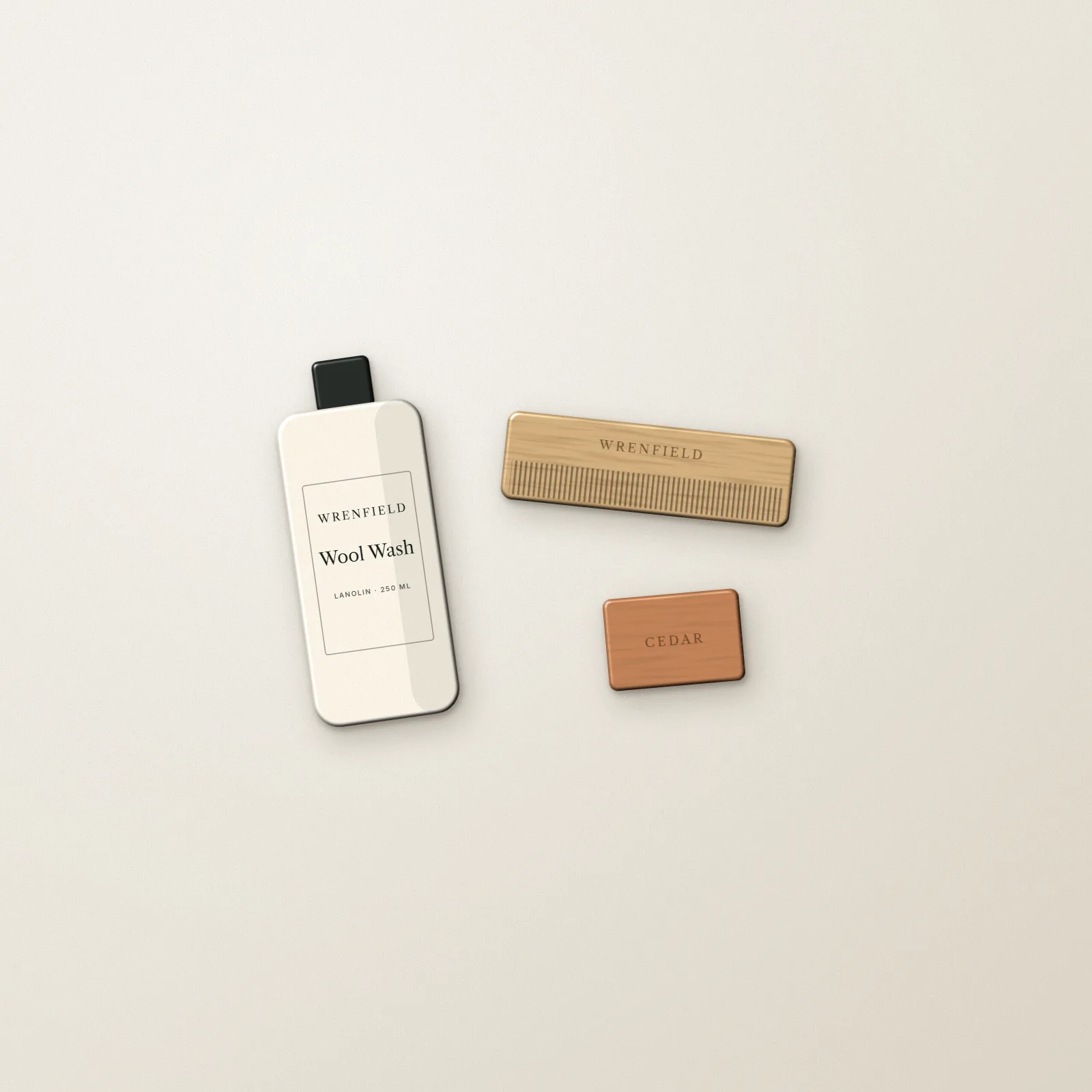
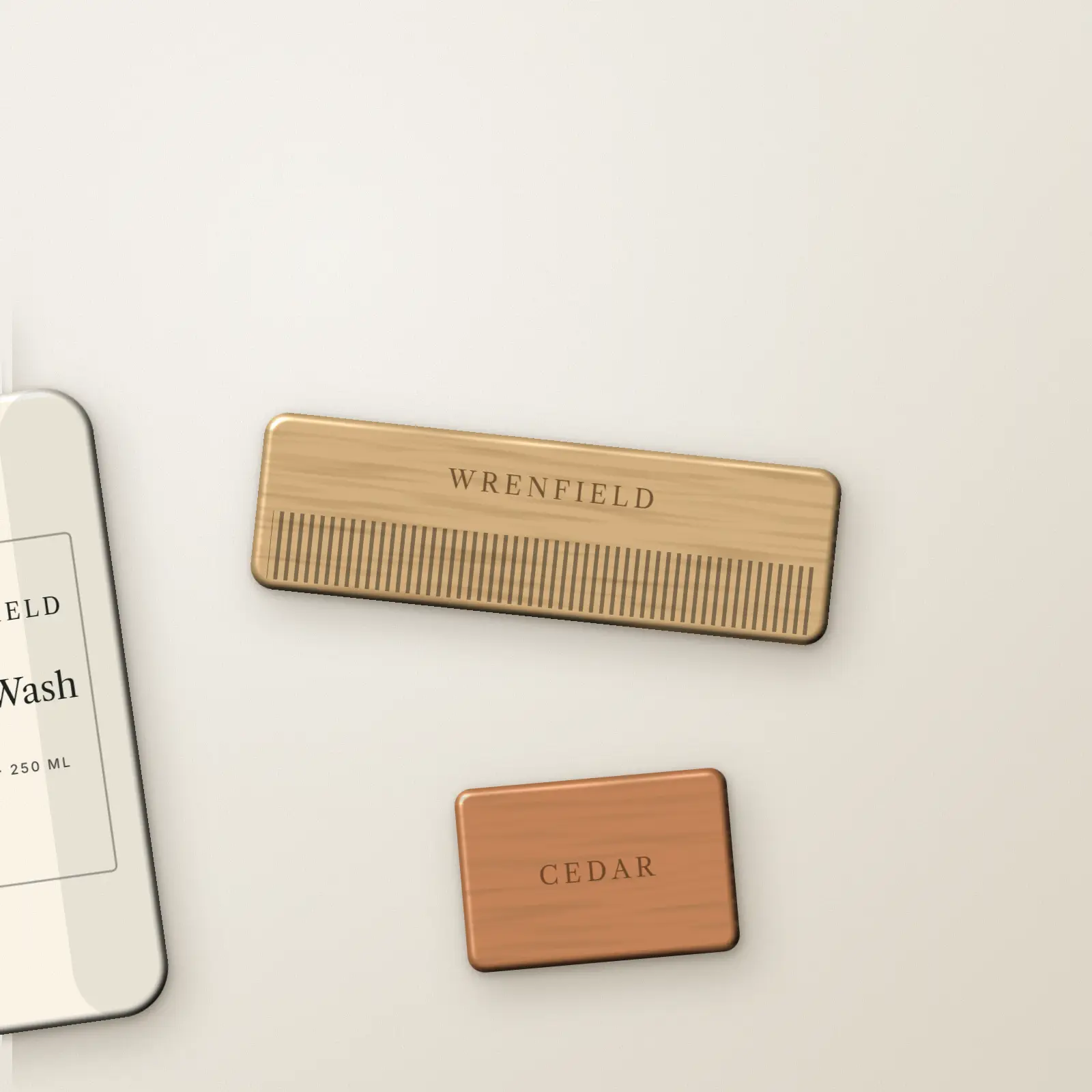
Sweater Care Kit
A wooden sweater comb, a cedar block and a bottle of wool wash: the answer to most pilling questions
$28
-
- Best seller
Sweater
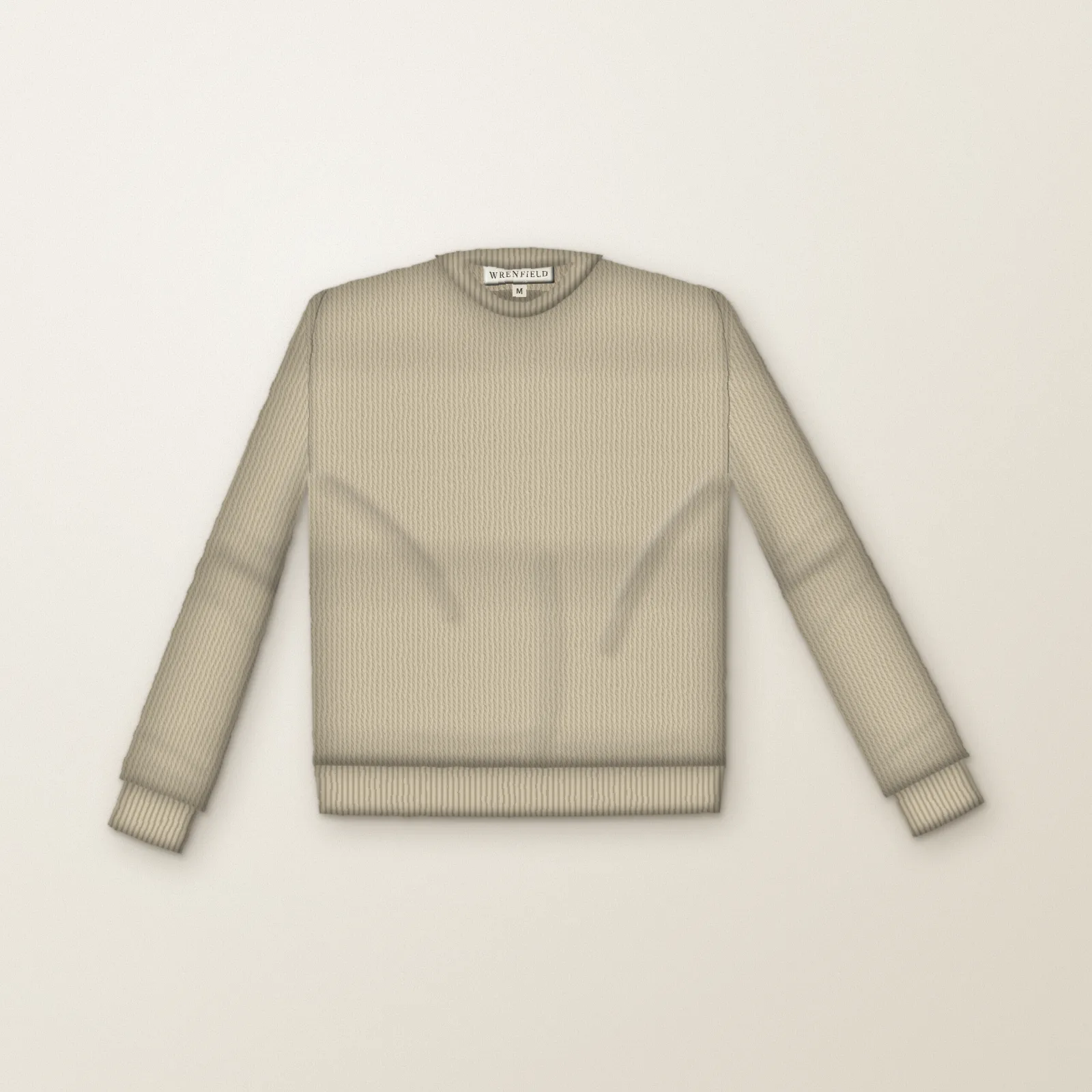
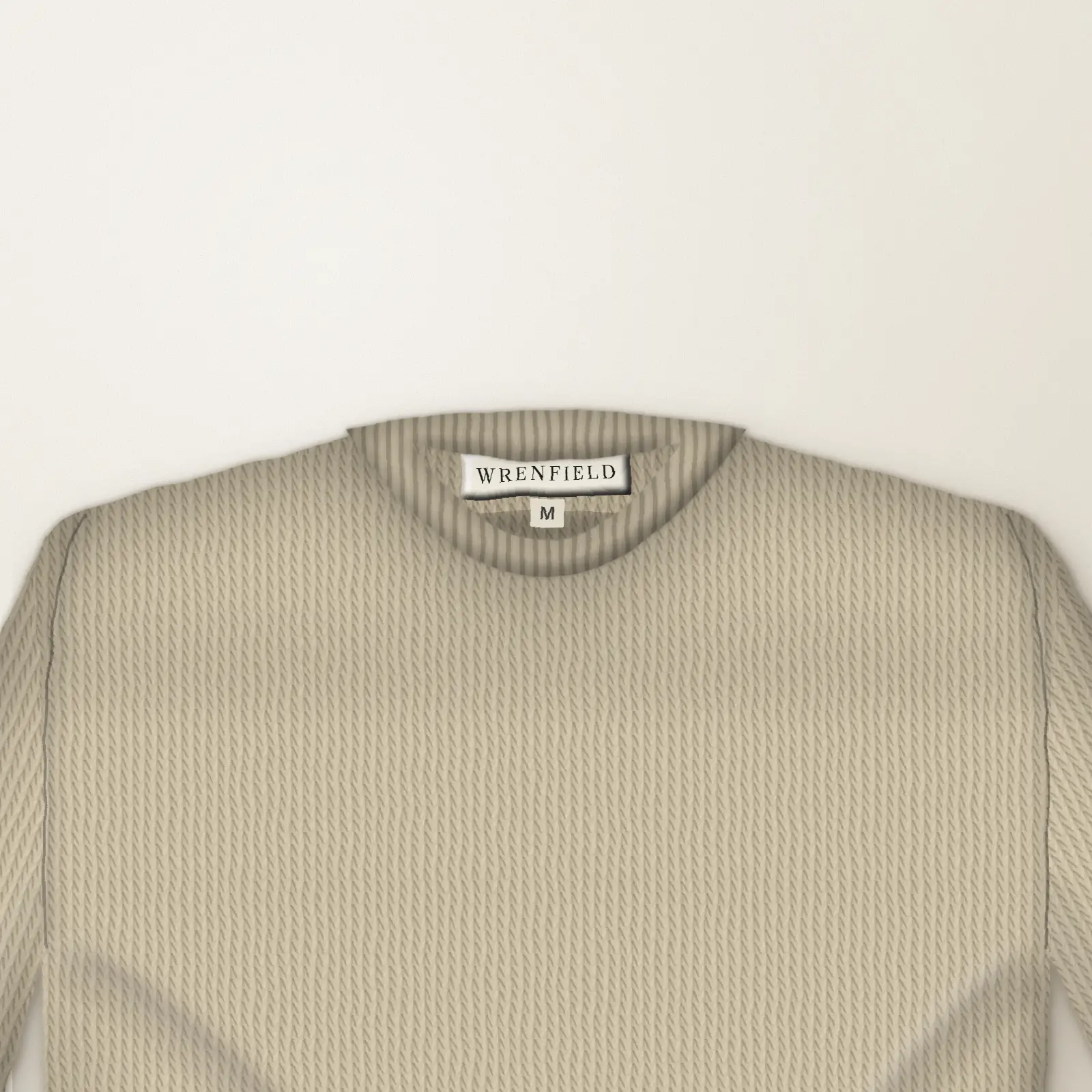
Merino Crew Sweater
Extra-fine merino knitted at a tight 12-gauge, in a unisex regular cut that runs true to size
5 colors
$148
-
Cardigan
Cashmere-Blend Cardigan
A relaxed women's cardigan in a merino-cashmere blend, with horn buttons and deep patch pockets
3 colors
$228